
In today’s fast-paced healthcare environment, efficiency has become a critical factor in delivering quality patient care. Diagnostic processes, in particular, play a major role in determining how smoothly clinics and healthcare facilities operate. Traditional diagnostic systems, while reliable, often require fixed setups, extended preparation time, and dedicated spaces. Portable diagnostic systems are transforming this landscape by offering flexibility, speed, and ease of use. These advancements are helping healthcare providers streamline workflows while maintaining high standards of accuracy.
Challenges With Conventional Diagnostic Workflows
Conventional diagnostic equipment is typically designed for stationary use. These systems often demand specific room layouts, stable power sources, and significant setup time. Moving patients between different diagnostic stations can lead to bottlenecks, longer waiting periods, and increased staff workload. In busy clinics or high-volume environments, such inefficiencies can negatively impact both patient satisfaction and operational productivity. These challenges have highlighted the need for more adaptable diagnostic solutions.
The Rise of Portable Diagnostic Technology
Portable diagnostic systems have emerged as a response to the growing demand for flexible healthcare delivery. Designed to be compact and lightweight, these systems allow healthcare professionals to perform essential diagnostic procedures wherever they are needed. Whether in outpatient clinics, mobile health units, or community screening programs, portable devices reduce dependency on fixed infrastructure. This mobility enables faster decision-making and smoother patient flow.
Streamlining Clinical Workflows
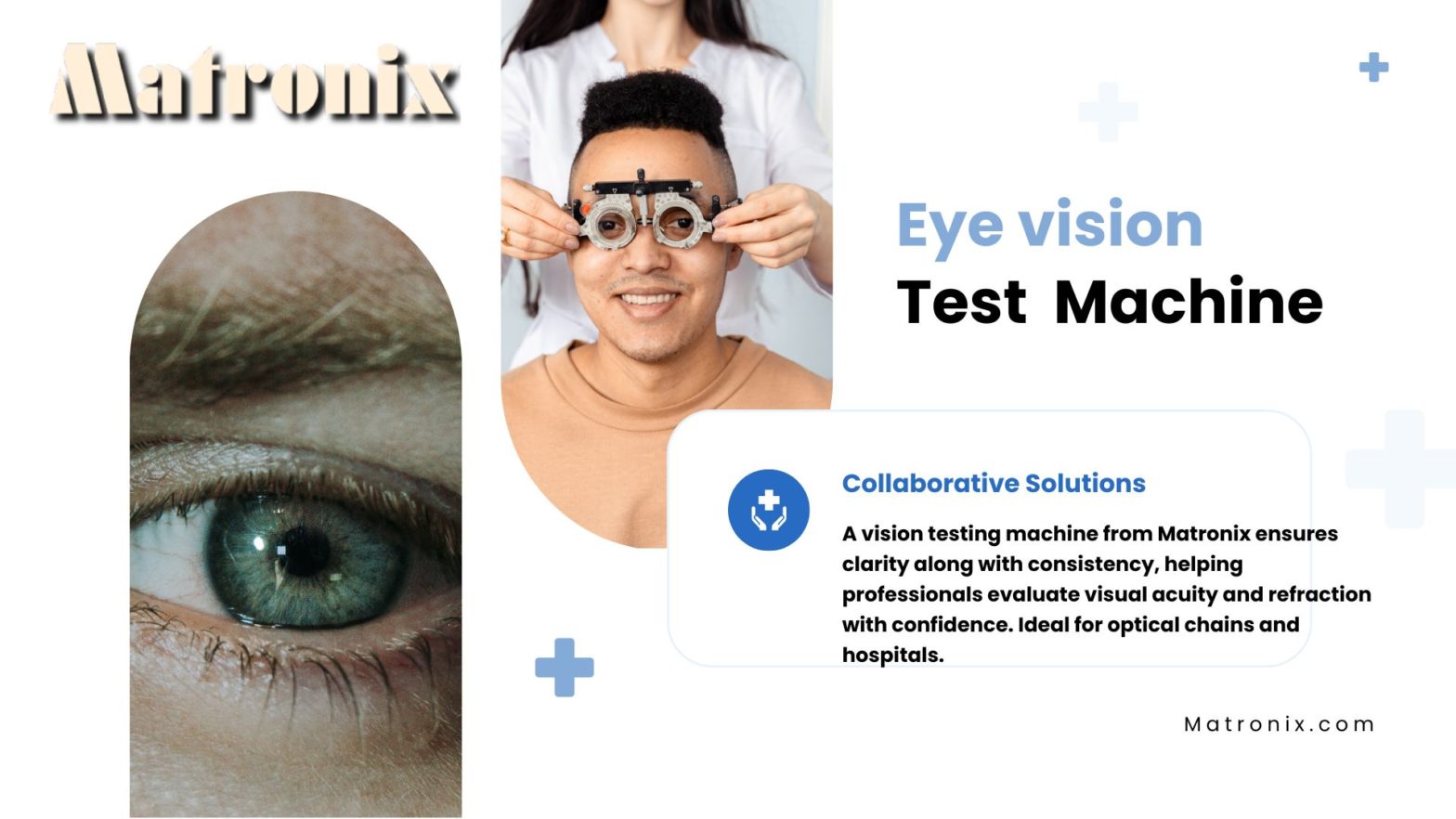
One of the most significant advantages of portable diagnostic systems is their ability to simplify workflows. Instead of moving patients from one room to another, clinicians can bring diagnostic tools directly to the patient. This approach minimizes transition time and reduces scheduling complexity. For eye care professionals, portable systems such as the auto refractometer portable option allow rapid vision assessments without interrupting the overall examination process, contributing to a more efficient workflow.
Enhancing Staff Productivity
Portable diagnostic systems empower healthcare staff to work more efficiently. With intuitive interfaces and minimal setup requirements, these devices reduce the learning curve for operators. Technicians and clinicians can perform tests quickly and accurately, allowing them to focus on patient care rather than equipment management. Improved productivity also helps clinics handle higher patient volumes without increasing staffing levels.
Improving Patient Experience
Workflow efficiency is closely linked to patient satisfaction. Long waiting times and repeated movements between examination areas can cause frustration and fatigue. Portable diagnostic systems help create a smoother and more comfortable patient experience by reducing delays and simplifying the examination process. Patients appreciate faster assessments and more personalized attention, which can enhance trust and encourage regular follow-up visits.
Supporting Flexible Care Delivery Models
Healthcare delivery is no longer confined to traditional clinical settings. Portable diagnostic systems support a wide range of care models, including home visits, outreach camps, and workplace health programs. This flexibility allows providers to extend their services beyond clinic walls while maintaining consistent diagnostic standards. By adapting to different environments, portable systems help organizations expand their reach and improve access to care.
Optimizing Space Utilization
Space constraints are a common challenge in many healthcare facilities. Large, fixed diagnostic machines can limit room usage and restrict layout options. Portable diagnostic systems require minimal space and can be stored easily when not in use. This efficient use of space allows clinics to optimize their layout, accommodate more patients, and create a more organized working environment.
Integration With Digital Systems
Modern portable diagnostic systems are designed to integrate seamlessly with digital health platforms. Data collected during examinations can be stored electronically and shared across systems, reducing paperwork and the risk of errors. This integration supports faster reporting, better record management, and improved communication among healthcare teams. Digital connectivity further enhances workflow efficiency by ensuring that information is readily accessible when needed.
Cost and Operational Benefits
From an operational perspective, portable diagnostic systems offer long-term cost advantages. Their versatility reduces the need for multiple fixed devices across different locations. Lower installation and maintenance requirements also contribute to cost savings. By improving workflow efficiency and resource utilization, portable systems help healthcare organizations achieve better returns on investment.
The Future of Portable Diagnostics
As technology continues to advance, portable diagnostic systems are expected to become even more sophisticated. Improvements in battery life, data processing, and connectivity will further enhance their usability and performance. These innovations will continue to support efficient workflows while enabling high-quality diagnostic care across diverse settings.
Conclusion: Redefining Efficiency in Diagnostics
Portable diagnostic systems are reshaping healthcare workflows by offering speed, flexibility, and ease of use. By reducing setup time, improving patient flow, and supporting diverse care models, these systems play a vital role in enhancing operational efficiency. As healthcare demands continue to grow, portable diagnostics will remain essential tools for delivering efficient, patient-centered care.