
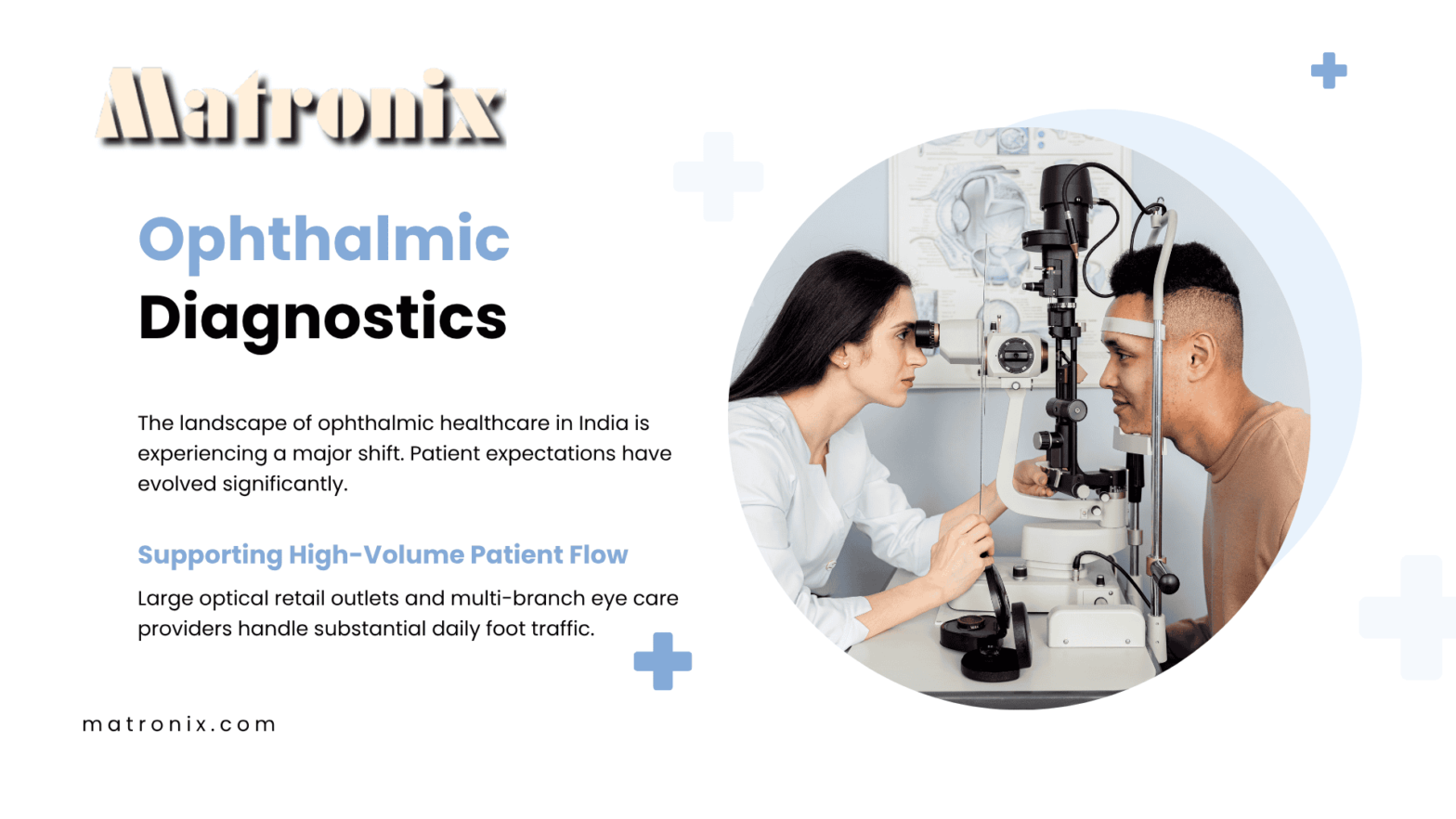
The field of ophthalmology has witnessed a remarkable transformation in the last decade. Traditional manual diagnostic methods are rapidly giving way to fully automated and digitally integrated solutions. As the demand for accurate, fast, and contactless eye examinations grows, automation has become the backbone of modern eye care facilities. Clinics that once relied on manual refraction and subjective testing now depend on advanced devices capable of delivering objective data in seconds.
This evolution not only enhances precision but also improves patient comfort, optimizes workflow, and reduces the dependence on operator skill. At the center of this revolution lies the modern vision testing machine, a crucial innovation that represents the next stage of diagnostic efficiency.
The Need for Automation in Modern Eye Care
With a rise in lifestyle-related vision issues such as myopia and digital eye strain, clinics handle more patients than ever before. Manual testing, though reliable, often introduces variability due to human error and inconsistency in measurement. Automated vision diagnostic systems eliminate such discrepancies by standardizing the process.
Automation ensures:
- Accuracy and Repeatability: Automated measurements reduce operator dependency.
- Time Efficiency: High patient throughput is possible without compromising diagnostic quality.
- Data Integration: Results can be digitally stored and analyzed for trend-based treatment decisions.
These benefits make automation not just a convenience, but a necessity for today’s high-volume ophthalmic setups.
Core Technologies Driving Automation
The latest diagnostic systems employ a mix of optical, electronic, and software-driven innovations. Some of the key technologies include:
- Auto-Refraction Sensors: Measure refractive errors automatically by analyzing light reflection through the retina.
- AI-Based Image Processing: Artificial intelligence detects early signs of disorders like cataracts and keratoconus.
- Optical Coherence Tomography (OCT): Offers high-resolution imaging of retinal layers for detailed analysis.
- Integration with EMR Systems: Seamless data transfer ensures efficient patient record management.
These technologies empower clinicians with precise, reproducible data and allow for faster decision-making.
How Automation Improves Diagnostic Accuracy
Automation minimizes subjective bias in diagnosis. A digital system captures readings within milliseconds using controlled lighting and focus parameters, eliminating manual adjustments.
For instance, during refractive testing, automated systems detect micro changes in corneal curvature and pupil response that are often overlooked during manual assessment. This not only results in a more accurate prescription but also provides a complete visual profile of the patient.
Additionally, automation supports consistency in multi-operator environments, ensuring that patients receive the same quality of diagnosis across different clinicians and clinics.
Patient Experience and Comfort
One of the major advantages of automated diagnostic machines is patient comfort. Modern devices are designed ergonomically and require minimal cooperation from the patient.
The process is quick, non-invasive, and often contactless. Automated alignment, focus tracking, and image capture mean shorter examination times and less fatigue. For pediatric and elderly patients, this efficiency reduces stress and increases trust in the testing process.
Integration and Workflow Efficiency
In large eye hospitals and optical chains, workflow optimization is critical. Automation plays a pivotal role in streamlining daily operations.
Networked diagnostic stations allow instant data sharing between devices. For example, readings from the refraction unit can directly sync with the lensometer and patient management software. This connectivity reduces paperwork, saves time, and ensures that every patient record remains updated and easily accessible.
Moreover, automated calibration and self-check features minimize downtime and maintenance requirements.
Data Analytics and Predictive Insights
With automation comes the power of data. Every test performed generates valuable information that can be analyzed over time. Clinics can identify population-level trends, monitor disease progression, and even predict patient outcomes using machine learning.
Such data-driven approaches are shaping preventive eye care models where treatment begins before symptoms become severe.
Role of Modern Eye Test Machines in This Transformation
Among all automated systems, the eye test machine stands out as a fundamental diagnostic device. It is capable of performing refraction analysis, corneal curvature measurement, and visual acuity evaluation — all through a digital interface.
These machines have become indispensable in professional settings due to:
- Compact Design: Suitable for both clinics and mobile screening setups.
- Smart Calibration: Ensures consistent output without manual intervention.
- User-Friendly Interface: Simplifies operation for both trained and new practitioners.
- Integration Compatibility: Can connect with multiple diagnostic platforms seamlessly.
The result is a faster, smarter, and more patient-centric diagnostic process.
Training and Skill Adaptation
Although automation simplifies many manual tasks, understanding the underlying technology remains essential. Eye care professionals must be familiar with interpreting the results and maintaining device calibration.
Leading manufacturers provide hands-on training sessions to help practitioners use these systems effectively. Continuous education on new updates and software enhancements also ensures clinics stay ahead in diagnostic accuracy.
The Future of Automated Vision Diagnostics
The next frontier of automation lies in AI-powered self-testing and remote diagnostics. Patients may soon be able to conduct preliminary tests at home using compact digital systems linked to cloud-based ophthalmic software.
Clinics will also benefit from predictive maintenance systems where machines self-diagnose technical issues before downtime occurs. Integration with tele-ophthalmology will further expand access to care in rural or underserved regions.
The convergence of automation, AI, and connectivity is not just redefining diagnostics — it’s reshaping the entire patient experience.
Conclusion
Automation is no longer an optional upgrade; it’s a defining element of modern vision diagnostics. From precision and repeatability to workflow optimization and patient comfort, the impact is undeniable.
As technology continues to evolve, automated diagnostic tools will further enhance clinical accuracy and accessibility. Among these innovations, the versatile eye test machine symbolizes the seamless blend of optical science and automation — helping clinicians deliver faster, more accurate, and patient-centered eye care.